 Annotask
Annotate the UI. Agent ships the code.
Annotask is a dev-only browser overlay for your running web app. You mark up the UI; a coding agent applies the change back to source over MCP, CLI, or HTTP. Accept or deny in the browser. Vite and Webpack.
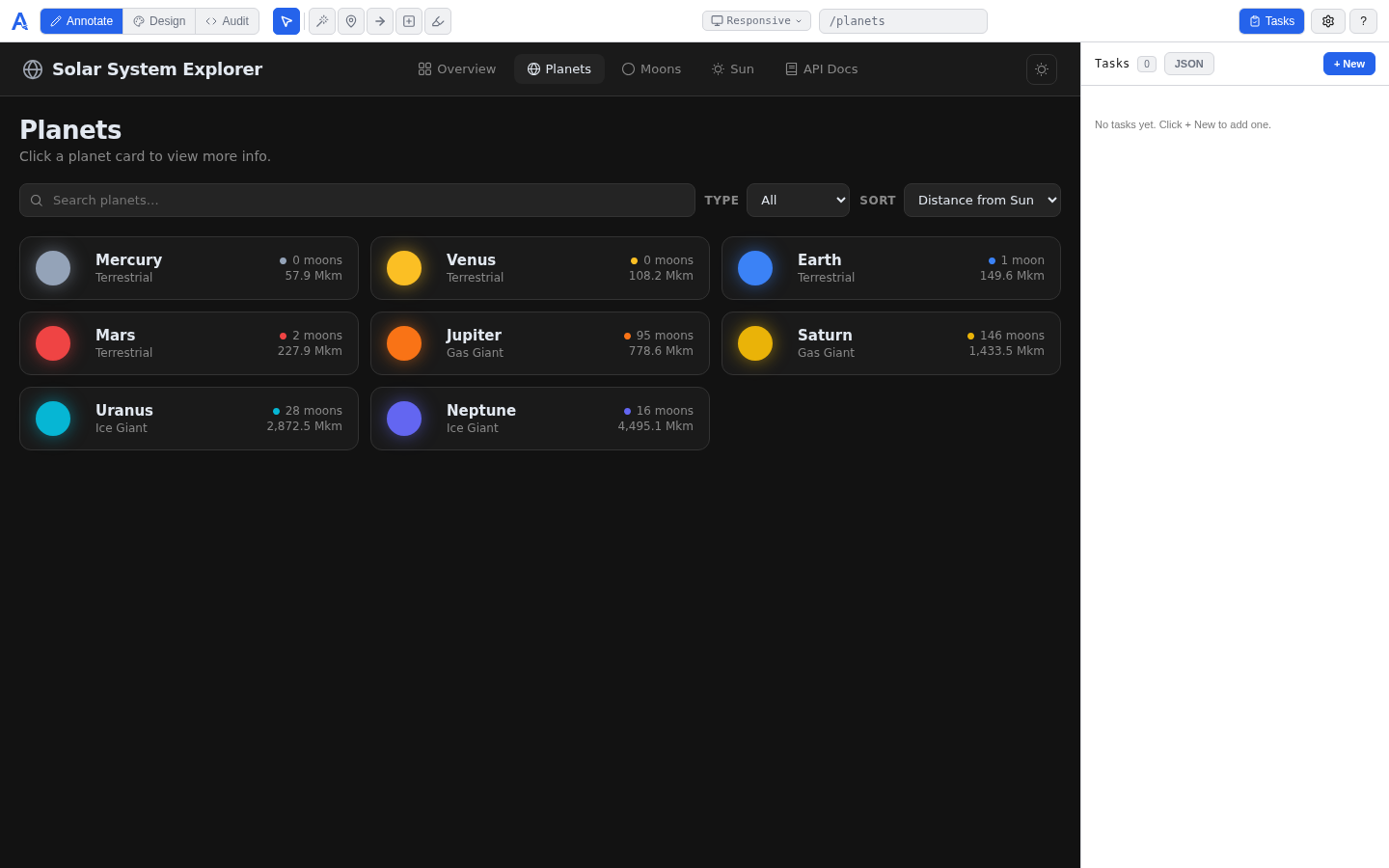
The loop, in 90 seconds
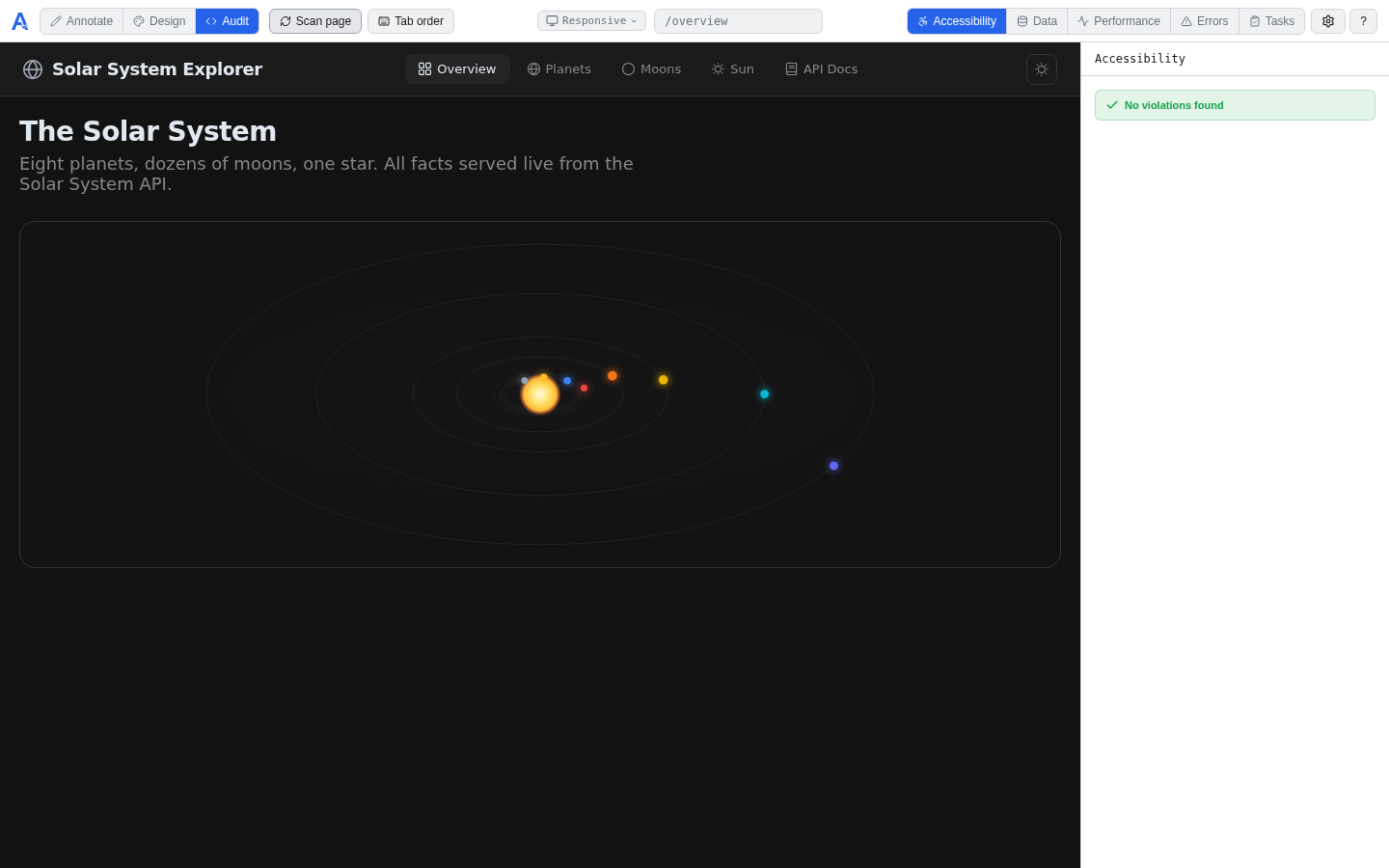
One annotation → one structured task → one applied diff → one re-render that passes. No copy-paste from a design tool, no out-of-band agent prompts.
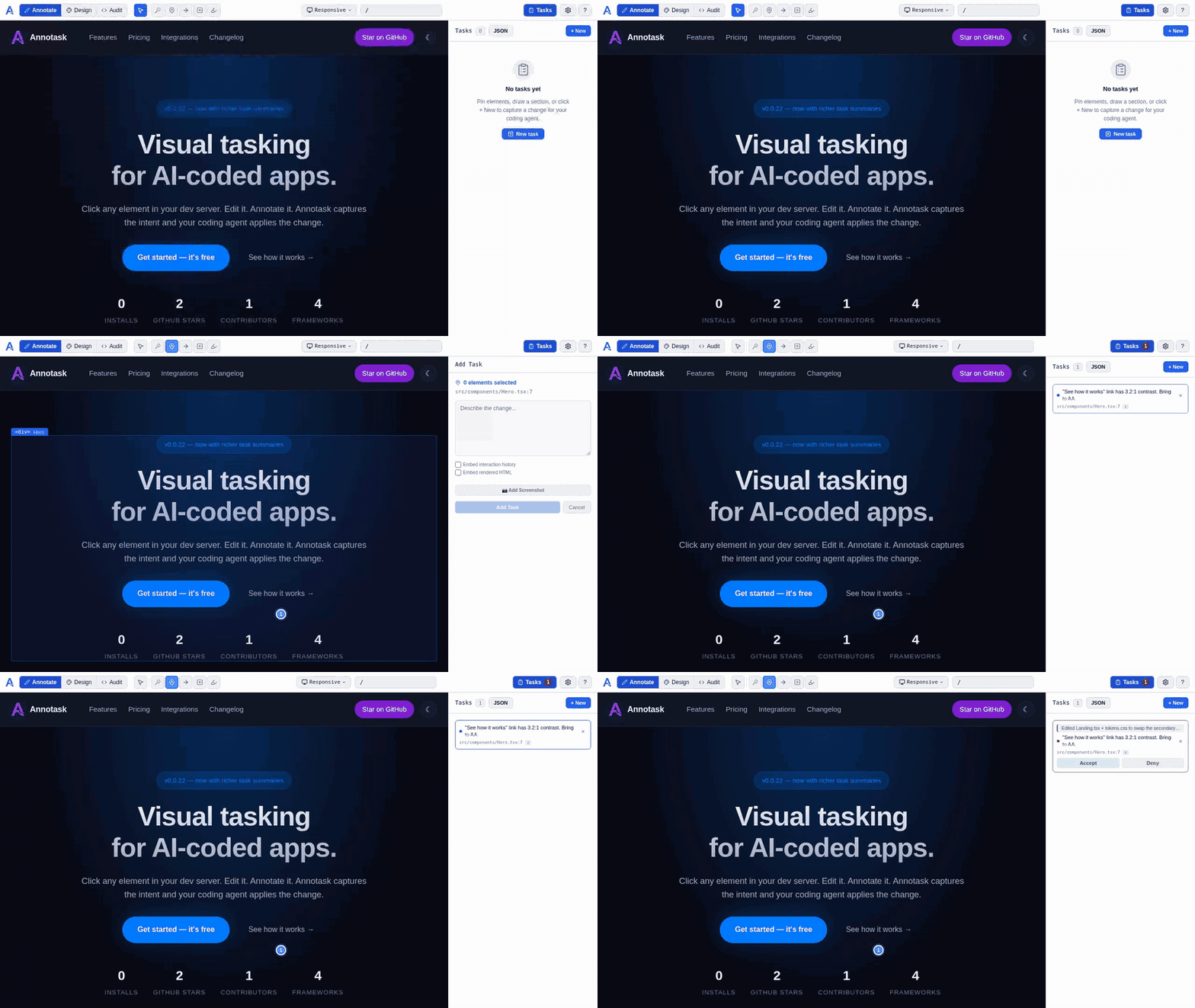
Inline loop above. The full 90-second walkthrough — a11y_fix on a React + Vite playground — is being recorded; the link will appear here once it's hosted.
What you get
Three surfaces over your running app, all wired to a single task model the agent can read.
Annotate
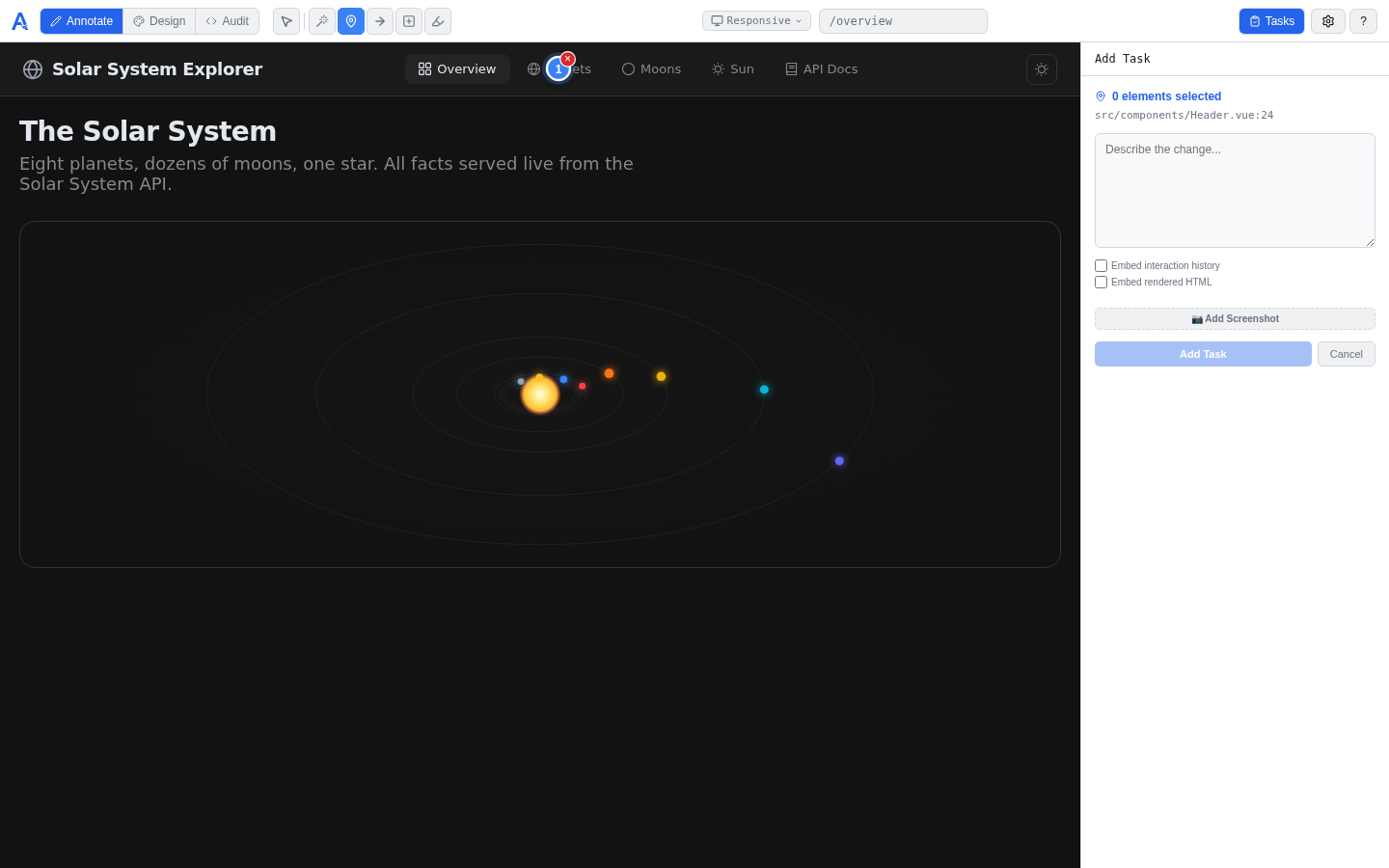
Pins, arrows, text highlights, screenshots, route-aware tasks, viewport capture. Every annotation becomes a structured task with grounded context. Sections are drawn on the wireframe canvas.
Design
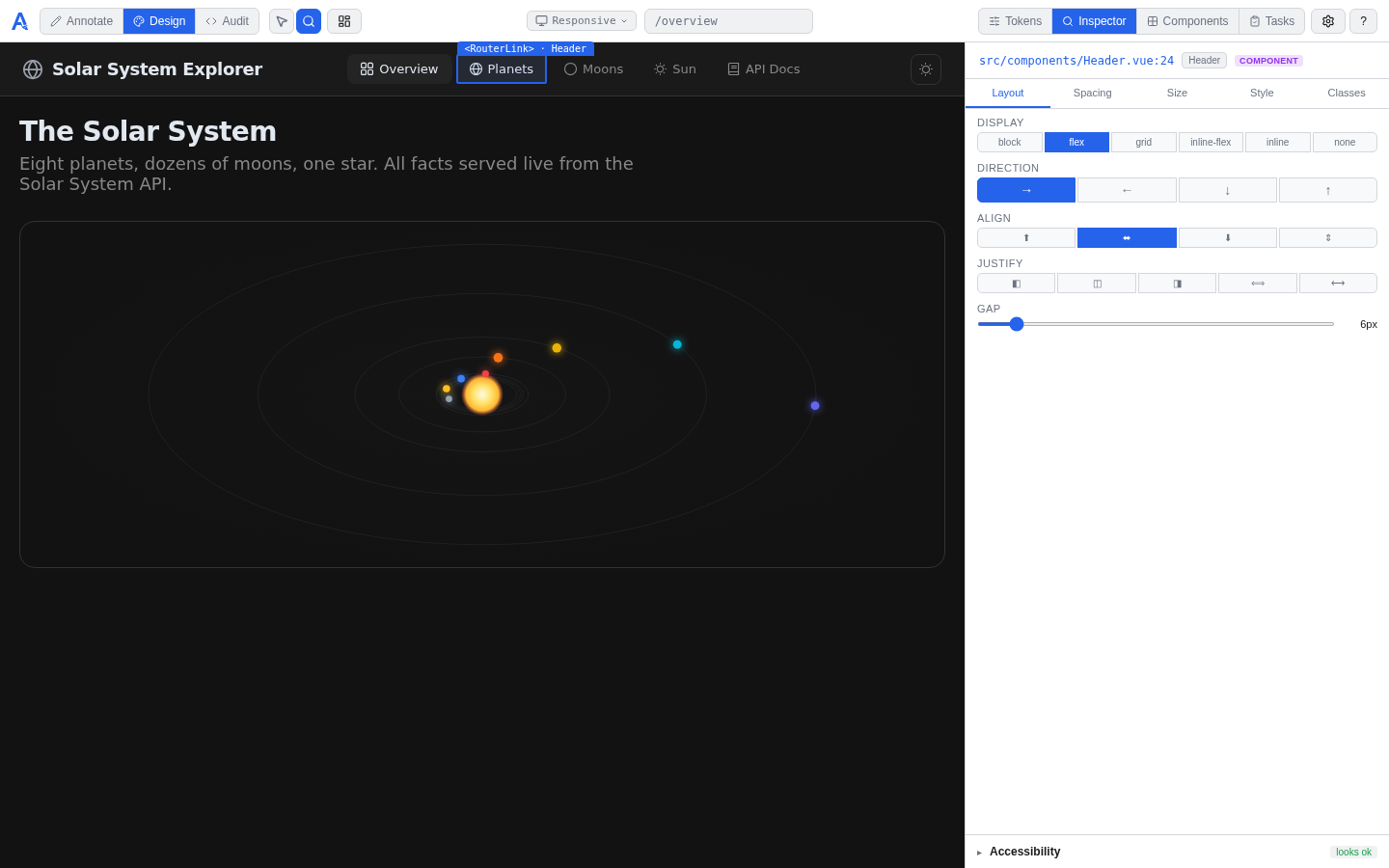
Live token inspector, layout overlay, detected component catalogs, in-repo component examples. Inspect and edit styles against real tokens, not invented ones.
Audit
Local axe-core a11y scanning, runtime endpoint monitoring, console error capture, performance findings — each becomes a one-click fix task with full context.
Install
Drop in the plugin, start your dev server, open /__annotask/. The agent connects over MCP, CLI, or HTTP.
Vite
import { defineConfig } from 'vite'
import vue from '@vitejs/plugin-vue'
import { annotask } from 'annotask'

export default defineConfig({
  plugins: [vue(), annotask()],
})
Webpack
import { AnnotaskWebpackPlugin } from 'annotask/webpack'

export default {
  plugins: [new AnnotaskWebpackPlugin()],
}
Then wire an agent:
# MCP (Claude, Cursor, Zed, …)
npx annotask init-mcp --editor=claude

# or install the bundled skills
npx annotask init-skillsStatus
Annotask is in early public release. Free, MIT-licensed, dev-only. We are recruiting 3–5 open-source design partners (10–30k stars, accessibility or design-system focus). If that's you, open an issue.